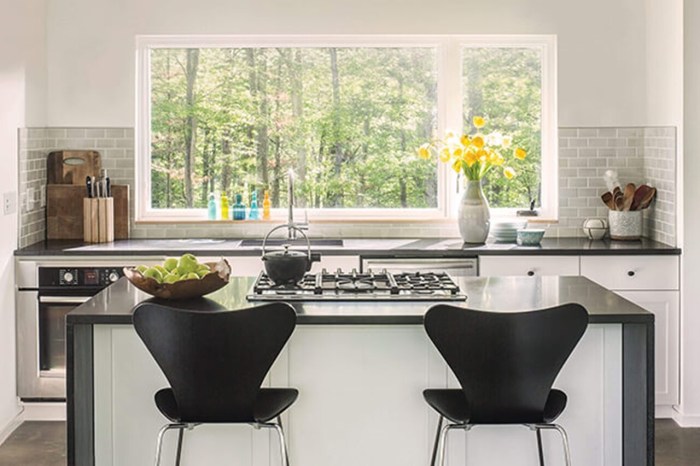
With Hurricane impact windows leading the charge, homeowners are increasingly recognizing their crucial role in storm preparedness. These specially designed windows not only provide protection against severe weather but also enhance the overall safety and energy efficiency of a home.
Constructed from durable materials and built to withstand the force of hurricane winds, these windows differ significantly from standard window options. By offering an effective barrier against debris and strong gusts, hurricane impact windows stand as a vital investment for anyone living in storm-prone areas.
Understanding Hurricane Impact Windows
Hurricane impact windows are a crucial aspect of storm preparedness for homeowners in hurricane-prone areas. These specialized windows are designed to withstand the harsh conditions brought by severe storms, providing better protection for your home and its inhabitants.The primary purpose of hurricane impact windows is to prevent wind and debris from entering a home during a hurricane, which can lead to catastrophic damage.
The benefits of installing these windows include enhanced safety, potential insurance discounts, and increased home value. Typically, hurricane impact windows are constructed using laminated glass, which consists of two layers of glass with a layer of polyvinyl butyral (PVB) sandwiched in between. This construction makes the glass much stronger than regular windows, which generally use single or double panes without additional support.
Differences Between Impact Windows and Regular Windows
Understanding the distinctions between hurricane impact windows and standard windows can help homeowners make informed decisions. Here are the key differences:
- Material Strength: Impact windows are made with fortified materials that can resist high winds and flying debris, while regular windows are generally vulnerable to shattering.
- Cost: Hurricane impact windows can be more expensive upfront than regular windows, but their durability and safety features offer long-term savings.
- Design Options: Impact windows come in various designs and styles, allowing homeowners to choose aesthetics without sacrificing safety.
- Installation: Impact windows require professional installation to ensure they meet local building codes, whereas regular windows can sometimes be installed by homeowners themselves.
Importance of Home Improvement for Storm Preparedness
Preparing your home for storms is essential not only for safety but also for reducing potential damage. Storm-proofing your home can significantly enhance your family’s safety during extreme weather events and minimize repair costs afterward.Home improvement projects aimed at hurricane preparedness don’t have to break the bank. Simple enhancements can make a big difference. Some cost-effective projects include reinforcing garage doors, installing storm shutters, and upgrading your roof.
It is essential to consider features such as impact-rated doors and windows, as well as proper drainage systems to help manage heavy rains.
Essential Features for Reinforcing Windows and Doors
When considering improvements for windows and doors in preparation for hurricanes, homeowners should focus on several critical features:
- Impact Resistance: Ensure that the windows and doors are rated for impact, ideally meeting or exceeding local building codes.
- Sealing and Weather Stripping: Proper sealing can prevent water intrusion and minimize air leaks, which could weaken your home structure during a storm.
- Secure Hardware: Use heavy-duty locks and hinges to reinforce doors and improve security against high winds.
Home Improvement Appliances for Safety
During a hurricane, it’s crucial to have access to appliances that can help ensure safety and comfort. Certain appliances can play a vital role before, during, and after a storm.Investing in a generator can be a lifesaver during power outages caused by hurricanes. Additionally, food storage solutions such as refrigerators with backup power sources can help preserve food items when the power goes out.
Securing Outdoor Appliances Against Wind Damage
Outdoor appliances can be particularly vulnerable during storms. Here are some tips for securing them:
- Anchor Appliances: Use anchors or weights to secure BBQ grills, patio heaters, and other outdoor appliances to prevent them from being overturned by strong winds.
- Store Indoors: If possible, store smaller appliances indoors, such as portable grills and patio furniture, to prevent them from becoming projectiles.
- Remove Flammable Items: Clear any flammable items or decorations near gas appliances to reduce fire hazards.
Bath and Shower Considerations during Storm Season
Having a reliable water supply during hurricanes is essential, as water can be disrupted due to storm damage. Therefore, ensuring your bathroom is equipped for emergencies is vital.Waterproofing techniques can greatly reduce flooding risks in bathrooms, such as installing backflow prevention valves and using water-resistant materials for fixtures.
Recommendations for Bath and Shower Products
Choosing the right products can enhance safety in your bathroom during storm season. Here are some recommendations:
- Waterproof Shower Curtains: Select curtains that can withstand moisture and prevent water from splashing outside the shower area.
- Non-Slip Mats: Use mats that provide extra grip to prevent slips in wet areas.
- Emergency Water Storage: Consider installing a rainwater collection system that can provide water for non-potable uses during shortages.
Remodeling Cabinets for Enhanced Durability
Using resilient materials for kitchen cabinets can increase their longevity, especially in hurricane-prone regions where moisture and wind can cause damage.
Installing Cabinets to Withstand Strong Winds
When remodeling, ensuring that cabinets are securely installed is crucial. Here are some installation tips:
- Use Quality Fasteners: Opt for heavy-duty screws and anchors to secure cabinets to walls.
- Reinforce with Bracing: Adding braces can provide additional stability to cabinets against wind pressure.
- Organize for Accessibility: Store emergency supplies within reach to facilitate quick access during an emergency.
Cleaning Tips and Tools for Post-Storm Recovery
Post-storm cleanup can be a daunting task, but having the right tools can make it more manageable.
Essential Cleaning Tools for Storm Debris Removal
A well-equipped cleaning kit can speed up recovery after a storm:
- Heavy-Duty Trash Bags: Use these for collecting debris efficiently.
- Shovels and Rakes: Ideal for clearing larger debris and fallen branches from the property.
- Pressure Washers: Effective for cleaning mud and grime off surfaces once the danger has passed.
Concrete Solutions for Structural Integrity
Concrete plays a vital role in strengthening homes against hurricanes. It provides a robust structural component that can withstand high winds and flying debris.
Reinforcing Concrete Structures
Homeowners should consider various techniques to reinforce concrete:
- Use Fiber Reinforcement: Adding fibers to concrete mix can improve tensile strength and crack resistance.
- Implement Reinforced Steel Bars: Including steel bars, or rebar, can enhance the structural integrity of concrete elements.
- Innovative Concrete Products: Explore the latest materials such as self-healing concrete that can repair minor cracks when exposed to moisture.
Feng Shui Principles for Hurricane Preparedness
Feng Shui can influence home safety by promoting harmony and balance. This ancient practice can aid in designing spaces that reduce vulnerability to hurricane impacts.
Arranging Outdoor Spaces to Minimize Wind Impact
Proper arrangement of outdoor elements can reduce wind exposure:
- Strategic Planting: Use trees and shrubs as windbreaks to protect the home from direct wind impacts.
- Furniture Placement: Arrange outdoor furniture in a way that minimizes wind resistance and prevents it from becoming a projectile.
- Color and Material Choices: Opt for colors and materials that resonate with protective energy, creating a safer environment.
Flooring Options for Storm Resilience
Selecting proper flooring materials can significantly enhance resilience during storms. Some materials are better suited to withstand flooding and moisture.
Installation Techniques to Improve Durability
Proper installation can further enhance the resilience of flooring:
- Use Moisture-Resistant Adhesives: For glue-down flooring, utilize adhesives designed for high-moisture environments.
- Seal Edges and Joints: Sealing gaps can prevent water infiltration and damage.
- Regular Maintenance: Schedule periodic inspections and maintenance to ensure the durability of flooring materials.
Furniture Arrangements for Safety
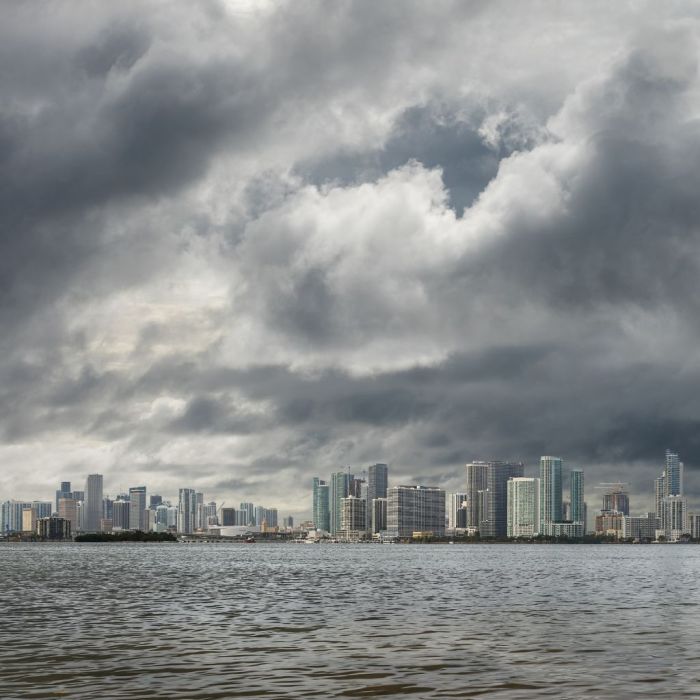
Strategic furniture placement can help minimize damage during strong winds.
Securing Outdoor Furniture During Storms
Outdoor furniture should be prepared ahead of time:
- Move Indoors: Bring smaller outdoor furniture inside before a storm hits to prevent it from becoming a projectile.
- Use Tie-Downs: Secure larger pieces with tie-downs or weights to prevent them from tipping over.
- Choose Durable Materials: Opt for furniture made from materials designed to withstand harsh weather.
Green Living and Sustainable Practices
Preparing for hurricanes can also align with eco-friendly practices. Sustainable materials and energy conservation can benefit both the environment and your preparedness efforts.
Energy Conservation Tips During Storm Events
Implementing energy-efficient practices can help during storm events:
- Invest in LED Lighting: Use energy-efficient lighting options that consume less electricity and provide longer-lasting illumination during power outages.
- Utilize Solar Power: Consider solar panels to maintain power during outages and contribute to sustainability.
- Practice Smart Thermostat Use: Smart thermostats can optimize energy use and maintain comfort levels efficiently.
Importance of Home Inspections
Home inspections play a critical role in ensuring readiness for hurricane season. They help identify vulnerable areas that need improvement or reinforcement.
Checklist for Hurricane Preparedness
An inspection checklist can guide homeowners in assessing their properties:
- Roof Integrity: Check for missing shingles, leaks, and overall condition.
- Window and Door Seals: Inspect seals and frames for gaps that could allow wind and rain to enter.
- Drainage Systems: Ensure gutters and downspouts are clear and functioning properly to handle heavy rains.
Designing Practical House Plans
House designs can significantly influence resilience to hurricanes. Features that enhance safety and stability are critical considerations in the planning process.
Roof Design Considerations in Hurricane-Prone Areas
Roof design plays an essential role in a home’s ability to withstand storms:
- Steep Roofs: Opt for steeper roof designs that can help deflect wind rather than allowing it to accumulate.
- Material Selection: Choose roofing materials rated for high winds, such as metal or reinforced shingles.
- Secure Fastening: Ensure roofs are securely fastened to the structure to prevent lift-off during storms.
Interior Design and Decorating for Safety
Interior design can also emphasize safety during storms, balancing aesthetics with functionality.
Selecting Decor that Can Withstand Severe Weather
When choosing decor, consider the following:
- Opt for Durable Materials: Choose fabrics and materials that can resist moisture and wear.
- Minimalist Decor: Keeping decorations simple can reduce the risk of items becoming dangerous projectiles.
- Create Safe Zones: Designate areas within the home where family members can gather during storms, equipped with emergency supplies.
Building a Safe Patio Deck
A well-built deck can enhance outdoor living while providing safety during storms.
Design Elements to Reduce Wind Resistance on Patios
Incorporate design elements that can minimize wind impact:
- Low Profile Designs: A lower deck can reduce wind resistance compared to taller structures.
- Windbreaks: Use landscaping or screens to create natural windbreaks around the patio.
- Maintenance Protocols: Regularly inspect and maintain deck integrity to ensure it can withstand harsh conditions.
Effective Home Improvement Remodeling Techniques
When remodeling for hurricane preparedness, certain techniques can enhance safety and comfort significantly.
Step-by-Step Guide for Remodeling
Here’s a step-by-step approach to remodeling with storm readiness in mind:
- Assess Vulnerabilities: Begin by conducting a thorough assessment of the property to identify areas needing improvement.
- Plan for Reinforcement: Prioritize features such as impact-rated windows and reinforced doors.
- Hire Qualified Contractors: Work with professionals experienced in storm-proofing and local building codes.
Enhancing Roofing for Hurricane Resistance
The roof is often the first line of defense against storm damage, making it crucial to employ the right materials and techniques.
Proper Installation Techniques for Roofing
Here are essential tips for ensuring that roofing is hurricane-ready:
- Install Roof Straps: Using roof-to-wall ties can enhance the stability of the roof structure.
- Choose Weather-Resistant Shingles: Opt for shingles that are designed to withstand high winds and rain.
- Regular Maintenance Checks: Regularly inspect the roof for wear and address issues promptly.
Home Improvement Security Measures
Security measures are vital during storms to protect against looting and other risks.
Securing Windows and Doors for Storms
To enhance security, homeowners can implement several measures:
- Install Shutters: Use hurricane shutters or impact-resistant glass for windows.
- Reinforce Door Frames: Strengthen door frames and locks to deter forced entry during storms.
- Surveillance Systems: Invest in security cameras and alarms to monitor property during and after storms.
Maximizing Storage in Garages
Organizing garage space can be crucial for storing emergency supplies and securing belongings.
Strategies for Organizing Garage Space
Here are strategies to optimize storage solutions:
- Use Shelving Units: Install sturdy shelving to keep items off the floor and organized.
- Secure Garage Doors: Reinforce garage doors to withstand strong winds and prevent breaches.
- Utilize Vertical Space: Hang tools and other equipment on walls to maximize floor space.
Preparing Swimming Pools and Spas
Properly preparing pools and spas can mitigate damage during storms.
Best Practices for Securing Swimming Pools
Consider these practices for pool and spa maintenance during hurricane season:
- Remove Loose Items: Take out floats and other accessories that could be swept away in strong winds.
- Cover Pools: Use sturdy pool covers to protect against debris and water accumulation.
- Adjust Water Levels: Lower water levels in swimming pools to prevent overflow from heavy rains.
Essential Tools and Equipment for Hurricane Preparedness
Having the right tools can significantly streamline home improvement projects related to storm safety.
Must-Have Tools for Home Improvement Projects
Here’s a list of essential tools for preparation:
- Power Tools: Invest in reliable power tools for efficient repairs and improvements.
- Hand Tools: Keep a well-stocked toolbox with basic hand tools for quick fixes.
- Emergency Kits: Prepare kits containing flashlights, batteries, and first-aid supplies for use during storms.
Importance of Home Improvement Windows
Home improvement windows play a vital role in enhancing protection against storms while also providing energy efficiency benefits.
Installation Process for Impact Windows
Understanding the installation process is crucial:
- Professional Assessment: Have a qualified professional assess your home to determine the best window options.
- Proper Fitting: Ensure windows are correctly fitted to minimize gaps and enhance performance.
- Energy Efficiency Considerations: Choose double or triple-pane windows for improved insulation and efficiency.
Closure
In summary, investing in hurricane impact windows is not just about safeguarding your home; it’s about ensuring peace of mind during storm season. As you prepare your residence for potential disasters, consider these windows as a key component of your storm-proofing strategy, providing security and comfort when it’s needed most.
Questions and Answers
What are hurricane impact windows made of?
Hurricane impact windows are typically made from reinforced glass and frames, often using materials like laminated glass and aluminum or vinyl for durability.
How do hurricane impact windows differ from regular windows?
Unlike regular windows, hurricane impact windows are designed to resist high winds and flying debris, providing greater protection and safety during storms.
Can hurricane impact windows help with energy efficiency?
Yes, these windows often feature energy-efficient designs that help reduce heating and cooling costs while providing insulation against outside elements.
Do I need a permit for installing hurricane impact windows?
Yes, many areas require permits for the installation of hurricane impact windows to ensure compliance with local building codes.
How often should I inspect my hurricane impact windows?
It’s advisable to inspect your hurricane impact windows at least once a year for any signs of wear, damage, or necessary maintenance.


