
Concrete repair techniques are essential for maintaining the integrity and appearance of your home. With concrete being a common material in many residential structures, understanding how to address its wear and tear can prevent more significant issues down the line. Whether it’s cracks in the driveway or spalling on your patio, mastering these techniques is key to preserving your property.
In this guide, we will explore various methods of repairing concrete, the tools needed for the job, and how these repairs can enhance both the aesthetics and functionality of your living space. From patching and resurfacing to sealing, we’ll break down each technique, helping you make informed choices for your home improvement projects.
Overview of Concrete Repair Techniques
Concrete repair techniques are crucial for maintaining the integrity of structures and enhancing home improvement efforts. These techniques address issues from minor cosmetic damage to significant structural concerns. Common causes of concrete damage range from weather exposure, ground movement, to wear and tear from heavy usage. Repairing damaged concrete is not just about aesthetics; it’s essential for safety and functionality.
According to industry statistics, nearly 60% of residential properties experience concrete-related issues, which underscores the necessity of timely repairs.
Types of Concrete Repair Techniques
Various techniques are employed for concrete repair, each suited to different types of damage. Understanding these methods can help homeowners choose the right approach for their needs.
- Patching: This technique involves filling cracks or holes with a suitable material. Common materials include epoxy and polymer-modified cement. Patching is ideal for minor damages but may not be sufficient for larger structural issues.
- Resurfacing: This method applies a thin layer of concrete or polymer to the surface. It can restore the appearance of worn concrete and provide a protective layer. Though effective, resurfacing may not address deeper structural problems.
- Sealing: Concrete sealing involves applying a sealant to protect against moisture and stains. This method is essential for prolonging the life of concrete surfaces but does not repair existing damage.
Each technique has its pros and cons. For instance, while patching is cost-effective and straightforward, it may not last long without proper maintenance. Resurfacing can rejuvenate old surfaces but requires a clean base for adherence, whereas sealing is preventive rather than corrective.
Tools and Equipment for Concrete Repair
Essential tools are necessary for effective concrete repair tasks. A well-equipped toolkit can significantly streamline the repair process.
- Concrete Mixer: For mixing materials uniformly, a concrete mixer is invaluable, especially for larger projects.
- Trowels: These are used for spreading and smoothing concrete during applications.
- Chisels and Hammers: Useful for removing damaged concrete before patching or resurfacing.
- Safety Gear: Goggles, gloves, and masks are crucial for protecting against dust and debris.
Using tools effectively involves understanding their purpose and practicing safe handling. Regular maintenance of tools, such as cleaning after use and proper storage, ensures longevity and safety during repairs.
Home Improvement Concrete Projects
Concrete repair can be applied to various home improvement projects, enhancing both functionality and appearance. Common projects include driveways, patios, and foundations.
- Driveway Repair: Cracks and potholes can compromise the integrity of driveways. Repairing these issues involves cleaning the area, applying patch materials, and ensuring proper curing.
- Patio Restoration: Weathering can lead to unsightly surfaces. Resurfacing or sealing can rejuvenate the patio while adding a layer of protection.
- Foundation Support: Addressing cracks in the foundation is crucial for structural stability. This may involve underpinning or injecting epoxy into the cracks.
Successful concrete repair projects often require careful planning and execution. Examples of well-handled repairs include restored driveways that improve curb appeal and reinforced foundations that enhance durability.
Integrating Concrete Repair with Home Improvement
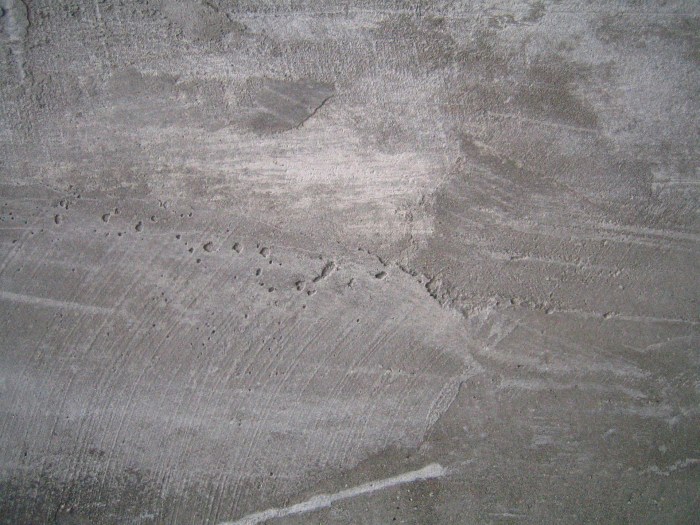
Integrating concrete repair into broader home improvement plans can significantly enhance a property’s aesthetics and functionality. Repaired concrete surfaces not only look better but also contribute to the overall value of the home.
- Aesthetic Appeal: Freshly repaired concrete can transform the look of outdoor spaces, making them more inviting.
- Functional Spaces: Well-maintained concrete areas lead to safer and more usable environments for families.
When comparing concrete repair with other home improvement projects like flooring and outdoor patios, it becomes clear that concrete’s durability and versatility can complement a variety of design choices.
Environmental Considerations in Concrete Repair
Sustainable practices in concrete repair are increasingly important as homeowners become more environmentally conscious. Choosing eco-friendly materials and methods can minimize environmental impact.
- Recycled Materials: Employing recycled aggregates in concrete mixes reduces waste and lowers the carbon footprint.
- Low-VOC Products: Using sealants and adhesives that emit low volatile organic compounds (VOCs) contributes to better indoor air quality.
- Efficient Practices: Minimizing waste through careful planning and execution of repair tasks is essential for sustainability.
By adopting these eco-friendly practices, homeowners can achieve effective repairs while safeguarding the environment.
Feng Shui and Concrete Spaces
Concrete plays a unique role in Feng Shui principles, impacting the energy flow within home environments. Properly arranged concrete spaces can promote harmony and balance.
- Enhancing Energy Flow: Maintaining smooth and intact concrete surfaces can facilitate better energy flow throughout the home.
- Harmonizing with Nature: Incorporating greenery around concrete areas can soften the hard surfaces and improve the overall energy.
Methods to harmonize repaired concrete areas include strategic placement of plants and utilizing color to soften harsh edges.
Maintenance Tips for Repaired Concrete
To prolong the life of repaired concrete, regular maintenance is essential. Simple practices can make a significant difference in durability.
- Regular Cleaning: Using a pressure washer or appropriate cleaning solutions can help maintain the appearance of concrete surfaces.
- Sealing: Reapplying sealants periodically protects against moisture and stains.
- Monitoring for Damage: Keeping an eye out for new cracks or signs of wear can prompt timely repairs before issues escalate.
Being proactive about maintenance ensures that repaired concrete continues to serve its purpose effectively.
Cost Analysis of Concrete Repair Techniques
Understanding the costs associated with various concrete repair methods is crucial for homeowners. A breakdown of expenses can help in planning budgets effectively.
- Patching: Typically a cost-effective solution, patching materials can range from $5 to $20 per square foot, depending on the type used.
- Resurfacing: This method may cost between $3 to $10 per square foot, making it a viable option for larger areas.
- Sealing: Sealing costs generally range from $0.50 to $2.00 per square foot, depending on the sealant type and application.
Considering budget-friendly alternatives, such as DIY repairs, can also save costs while maintaining the integrity of concrete surfaces. Long-term financial benefits of investing in quality repairs often outweigh the costs of temporary fixes.
Case Studies and Success Stories
Real-life examples illustrate the effectiveness of concrete repair techniques. Successful projects often involve overcoming challenges and learning from experiences.
- Residential Driveway Restoration: A homeowner faced significant cracking due to freeze-thaw cycles. After patching and sealing, the driveway not only improved in appearance but also durability.
- Patio Resurfacing Project: An outdated patio was restored through resurfacing and decorative staining, resulting in a beautiful outdoor space enjoyed by the family.
Feedback from homeowners highlights satisfaction with the outcomes, emphasizing the importance of skilled execution and careful planning in concrete repair endeavors.
Ultimate Conclusion
In conclusion, diving into concrete repair techniques not only equips you with the knowledge to tackle home repairs but also empowers you to enhance the value and beauty of your property. By selecting the right methods and maintaining your repair work, you can ensure your concrete surfaces last for years to come. So roll up your sleeves, get the necessary tools, and transform your concrete spaces into lasting features of your home.
FAQ
What are the signs that concrete needs repair?
Common signs include visible cracks, uneven surfaces, water pooling, and flaking or spalling.
How long does concrete repair last?
With proper application and maintenance, concrete repairs can last anywhere from 5 to 20 years or more.
Can I repair concrete myself?
Yes, many concrete repair techniques can be handled by DIY enthusiasts with the right tools and guidance.
What is the cost of concrete repair?
Costs can vary widely depending on the type of repair and materials used, ranging from a few dollars for patching to thousands for extensive work.
Are there eco-friendly options for concrete repair?
Absolutely, there are sustainable materials and methods available that minimize environmental impact while effectively repairing concrete.


