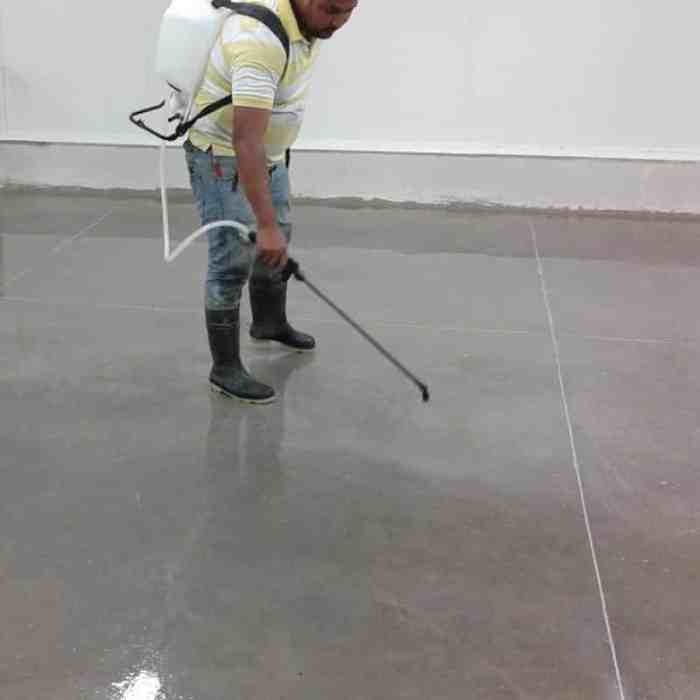
Concrete moisture barrier systems play a pivotal role in the construction industry, serving as a shield against unwanted moisture that can lead to structural damage and health issues. These systems not only protect buildings but also enhance indoor air quality, making them essential for both new constructions and renovations. With various types of moisture barriers available, understanding their functions and benefits is key to ensuring a durable and comfortable environment.
In recent years, the significance of controlling moisture has gained attention, especially as homeowners and builders seek to optimize their living spaces. By implementing effective moisture barrier solutions, you can mitigate risks associated with dampness, mold growth, and air quality problems, ultimately leading to cost savings and improved overall well-being.
Introduction to Concrete Moisture Barrier Systems
Concrete moisture barrier systems are essential components in construction, designed to prevent moisture intrusion that can lead to damage over time. Their primary purpose is to create a protective barrier between concrete surfaces and the surrounding environment, which is crucial for maintaining the integrity of structures. Moisture control is vital in construction projects, as uncontrolled moisture can cause mold growth, structural deterioration, and increased maintenance costs.
There are several types of moisture barrier systems available, including polyethylene sheets, liquid-applied membranes, and cementitious coatings. Each type has its own application methods and benefits, catering to various project requirements and environmental conditions.
Benefits of Using Concrete Moisture Barriers
Implementing moisture barriers offers numerous advantages, particularly in preventing structural damage. Without proper moisture control, buildings can suffer from water seepage, which not only affects the physical structure but also compromises indoor air quality. The presence of excess moisture can lead to mold and mildew, both of which pose health risks to occupants.Additionally, moisture barriers can lead to significant cost savings.
By preventing moisture-related issues, property owners can avoid expensive repairs and prolong the lifespan of their structures.
Installation Techniques for Concrete Moisture Barriers
Installing concrete moisture barriers requires a systematic approach to ensure effectiveness. The typical process includes the following steps:
- Prepare the surface by cleaning and repairing any cracks or imperfections.
- Roll out or apply the moisture barrier material, ensuring proper coverage.
- Seal all seams and edges using compatible adhesives or tapes.
- Allow adequate curing time as per the product specifications.
Essential tools for effective installation include utility knives, rollers, and measuring tapes. Common mistakes to avoid include failing to properly seal seams and neglecting surface preparation, both of which can compromise the barrier’s effectiveness.
Maintenance of Concrete Moisture Barrier Systems
Regular maintenance of moisture barriers is crucial to their long-term performance. Homeowners should periodically inspect for signs of wear, such as bubbling or peeling. These indicators suggest that the barrier may need repair or replacement to maintain its protective qualities.To effectively maintain concrete moisture barriers, it is advisable to keep the area dry and clear from debris, conduct routine inspections, and address any potential leaks promptly.
Integrating Moisture Barriers in Home Improvement Projects
Moisture barriers play a vital role in home improvement plans, especially during basement renovations and flooring installations. They help ensure that moisture does not compromise the integrity of new materials or finishes. Best practices for incorporating moisture barriers include:
- Assessing the specific moisture levels in the area before installation.
- Selecting appropriate barrier materials based on environmental conditions.
- Ensuring a complete seal around edges and transitions to prevent moisture ingress.
Concrete Moisture Barriers and Feng Shui
Moisture barriers can influence the Feng Shui of a home by promoting a harmonious energy flow. Proper moisture control helps maintain a balanced environment, which is essential for positive energy. To maintain favorable Feng Shui, ensure that moisture barriers are intact and functioning properly. This not only supports structural integrity but also contributes to a healthier living space.
Cost Considerations for Concrete Moisture Barrier Systems
The cost of installing moisture barrier systems can fluctuate based on several factors, including the type of material used, the area size, and local labor rates. Comparing different types of moisture barriers, such as polyethylene versus liquid-applied options, can provide insights into budget allocations.Homeowners should consider creating a budget that includes:
- Material costs
- Labor costs
- Potential long-term savings from preventing moisture-related issues
Common Myths about Concrete Moisture Barriers
Several misconceptions surrounding moisture barriers can lead to ineffective applications. For instance, some believe that all moisture barriers are equally effective, but variations in materials and installation techniques significantly impact performance. Moreover, myths surrounding the longevity of moisture barriers persist, suggesting that they require constant replacement. In reality, with proper maintenance, many moisture barriers can last for years without needing replacement.
Related Home Improvement Topics
Moisture barriers intersect with various home improvement topics, particularly in areas like bathrooms and shower renovations. Their role in preventing water damage is critical to the longevity of these spaces. Additionally, moisture barriers influence flooring selections, as certain materials may require specific types of barriers for optimal performance.
Resources for Homeowners
Homeowners seeking to select and purchase moisture barrier systems can access numerous resources, including industry organizations and specialized websites. These platforms provide valuable information on products and best practices for installation and maintenance.Moreover, professional services are readily available for hiring, ensuring that installations are performed correctly and efficiently, safeguarding against potential moisture issues in the future.
Closing Notes
In conclusion, concrete moisture barrier systems are not just a protective measure; they are an investment in the longevity and health of your property. By understanding their benefits, installation techniques, and maintenance requirements, homeowners and contractors can make informed decisions that enhance both structural integrity and indoor living conditions. Embracing these systems ensures a more resilient home, safeguarding against the unpredictable nature of moisture.
Essential Questionnaire
What are concrete moisture barrier systems?
Concrete moisture barrier systems are protective layers installed in building foundations or walls to prevent moisture penetration, ensuring a dry and safe environment.
How do I know if I need a moisture barrier?
If you notice dampness, mold, or musty odors in your home, it’s a strong indicator that a moisture barrier may be necessary to protect your property.
Can I install a moisture barrier myself?
While some homeowners may attempt DIY installation, it is recommended to hire professionals for optimal results and to avoid common installation mistakes.
How often should I inspect my moisture barrier?
Regular inspections are advised at least once a year or after significant weather events to ensure the barrier is intact and functioning properly.
Are there eco-friendly options for moisture barriers?
Yes, there are environmentally friendly moisture barrier options available that use sustainable materials while still providing effective moisture control.


