Tile vs laminate flooring presents a captivating choice for homeowners looking to enhance their spaces. Whether you’re drawn to the elegance of ceramic tiles or the warmth of laminate, understanding the distinctions can help you make an informed decision that suits your lifestyle and aesthetic preferences.
Each flooring type has carved out a niche in modern homes, boasting unique benefits and considerations. From cost and installation to durability and style, let’s explore the various factors that can influence your flooring choice.
Introduction to Tile and Laminate Flooring
Tile and laminate flooring are two popular choices for modern homes, each offering unique benefits tailored to different needs and preferences. Tile flooring, known for its durability and water resistance, is often made of ceramic, porcelain, or natural stone, making it ideal for high-moisture areas like kitchens and bathrooms. On the other hand, laminate flooring is a composite product that mimics the appearance of wood or stone, offering a cost-effective and versatile solution for homeowners looking to achieve a stylish look without breaking the bank.
Both flooring types have gained popularity in recent years, with tile flooring appealing to those seeking longevity and elegance, while laminate flooring attracts budget-conscious buyers who desire aesthetics combined with ease of installation. When it comes to costs, tile tends to be more expensive upfront due to material and installation complexities, whereas laminate flooring typically offers a more straightforward installation process, making it an attractive choice for DIY enthusiasts.
Durability and Maintenance
Durability is a significant factor when comparing tile and laminate flooring. Tile flooring is renowned for its strength and resilience, with the ability to withstand heavy foot traffic, spills, and scratches. It is also non-porous, making it resistant to moisture and mold, which is particularly advantageous in humid environments. Conversely, laminate flooring is less durable than tile but still provides a decent lifespan of around 15 to 25 years with proper care.
Maintenance for both flooring types varies considerably. Tile requires regular cleaning to maintain its shine and grout lines, while laminate flooring needs gentle cleaning methods to avoid damage to its surface. Over time, wear and tear can affect the longevity; tiles may chip or crack, while laminate can fade or develop scratches.
Aesthetic Appeal
When it comes to aesthetic appeal, both tile and laminate flooring offer a wide range of design options. Tile flooring can be found in an array of textures, colors, and patterns, including intricate mosaics and natural stone looks, allowing homeowners to create stunning focal points. Laminate flooring, on the other hand, is designed to mimic natural materials, providing a cozy and inviting atmosphere.
Popular styles for tile include large-format tiles in neutral tones that create a spacious feel, while laminate options often feature wood-like finishes in various shades, from rich mahogany to light oak. Both flooring types can significantly enhance the interior design of a home, allowing for creative expression and personal style.
Home Improvement Context
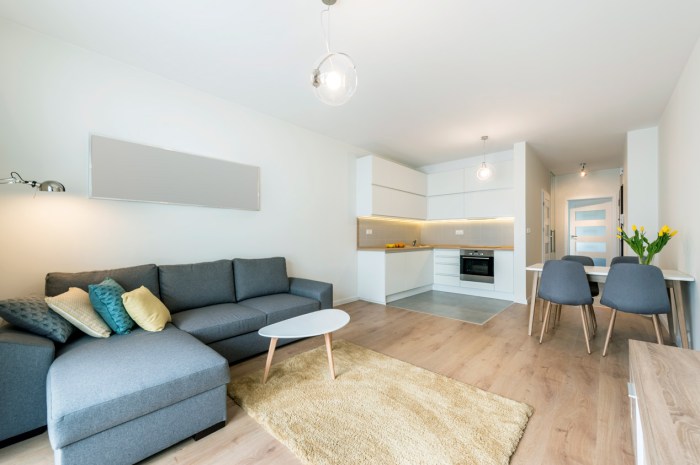
Flooring plays a crucial role in home improvement projects, impacting not just the aesthetics but also the functionality of each space. Choosing the right flooring can elevate a home’s value and appeal, making it a worthwhile investment. Homebuyers often consider flooring quality when assessing a property, with high-quality tile or laminate making a favorable impression. Current trends in home improvement frequently focus on flooring updates that feature sustainable materials, open-concept designs, and seamless transitions between spaces.
Incorporating new flooring can dramatically alter the ambiance and usability of a home, making it a central element in renovation projects.
Environmental Considerations
In today’s eco-conscious market, both tile and laminate flooring offer eco-friendly options. Many tile manufacturers are producing products using recycled materials, and some tiles are made from natural resources that are sustainably sourced. Laminate flooring can also be a greener choice, particularly when it is produced with low-VOC (volatile organic compounds) materials and adheres to environmental regulations during manufacturing.When selecting sustainable flooring, homeowners should look for certifications indicating eco-friendliness, such as the Forest Stewardship Council (FSC) for laminate or energy-efficient manufacturing processes for tile.
Making informed choices can contribute to a healthier home and planet.
Application Areas
Different areas of the home may benefit from either tile or laminate flooring based on their specific needs. Tile is particularly well-suited for areas prone to moisture, such as kitchens and bathrooms, while laminate can be excellent for living rooms and bedrooms where comfort and warmth are desired.However, there are pros and cons associated with each type. For instance, while tile is waterproof and easy to clean, it can be cold and hard underfoot.
Laminate, while generally warmer and softer, is not recommended for wet areas due to its susceptibility to water damage. Placement strategies should consider both the function of the room and the attributes of the flooring materials.
Installation Process
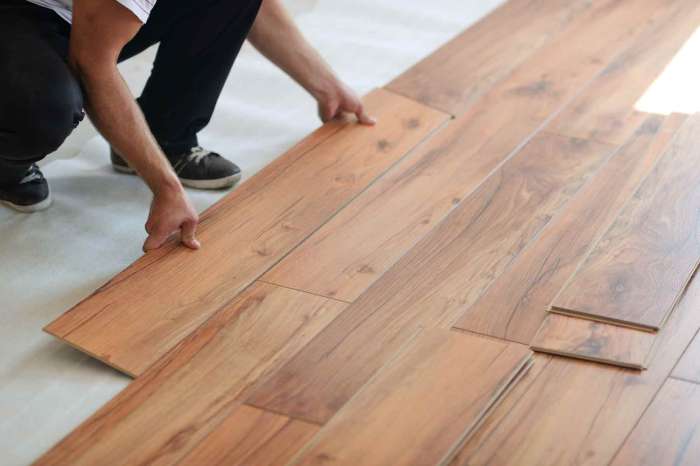
The installation process for tile flooring typically involves several steps: preparing the subfloor, laying out the tiles, applying adhesive, and grouting. This process can be labor-intensive and is often best left to professionals, particularly for intricate patterns or natural stone installations.Laminate flooring installation is generally easier and can often be a DIY project due to its click-lock design. Homeowners can install laminate over existing floors without the need for glue or nails, making it a quick and accessible option for many.
Cost Analysis
When evaluating the overall costs associated with tile and laminate flooring, there are several factors to consider. Tile tends to have a higher upfront cost due to materials and installation labor, potentially ranging from $5 to $15 per square foot. Laminate, on the other hand, usually falls between $1 to $5 per square foot, making it a more budget-friendly option.Long-term financial implications also play a role; tile may require less frequent replacement and maintenance but can be more expensive to repair if damaged.
Homeowners should budget for not only the purchase and installation but also long-term care and potential repairs when planning a flooring project.
Cleaning Tips and Tools
Effective cleaning methods for tile flooring include regular sweeping and mopping with pH-neutral cleaners to avoid dulling the surface. It’s essential to keep grout lines clean to prevent staining, which may require deeper cleaning solutions or scrubbing periodically.For laminate flooring, use a damp mop and avoid excess water, as moisture can warp the panels. Recommended tools include microfiber mops and non-abrasive cleaners specifically designed for laminate.
Overall, cleaning tile may require more effort but is often easier to maintain in the long run compared to laminate.
Feng Shui Considerations
Flooring choices can significantly influence the principles of Feng Shui in a home. Opting for natural materials, like tile and laminate that resemble wood or stone, can promote a sense of harmony and balance. Tile flooring in earthy tones can ground energy, while lighter laminate options can uplift a space. Recommendations include selecting warm colors for living areas to create a welcoming atmosphere and varying textures for dynamic energy flow.
Incorporating these elements can align flooring choices with Feng Shui principles for a balanced home environment.
Home Improvement and Remodeling Trends
Current trends in flooring within home remodeling projects often highlight the shift towards sustainable materials and designs that facilitate open spaces. The influence of flooring choices on overall home aesthetics during renovations cannot be overstated, with many homeowners opting for cohesive designs that unify different areas of the home.Popular renovations that feature tile or laminate include open-concept living spaces and outdoor areas that seamlessly blend with indoor aesthetics.
These trends reflect a growing appreciation for both style and functionality in home design, making the right flooring choice more important than ever.
Ultimate Conclusion
In conclusion, the debate between tile vs laminate flooring revolves around your specific needs and tastes. While both options offer distinct advantages, understanding their durability, aesthetic appeal, and maintenance requirements will empower you to choose the flooring that best fits your home and personal style. Happy flooring!
General Inquiries
Which is more durable tile or laminate flooring?
Tile flooring is generally more durable than laminate, especially in high-traffic areas and moisture-prone environments.
Is tile or laminate flooring easier to maintain?
Laminate flooring is easier to maintain as it requires simple sweeping and occasional mopping, while tile needs regular grout cleaning.
Can you install tile over laminate flooring?
It’s not recommended to install tile directly over laminate as it can lead to cracking and instability; proper subfloor preparation is essential.
What is the cost difference between tile and laminate flooring?
Tile flooring tends to have a higher initial cost compared to laminate, but its longevity and durability can offset the upfront expense over time.
Are there eco-friendly options for both tile and laminate flooring?
Yes, there are eco-friendly tile options made from recycled materials and laminate flooring made from sustainable sources.


